Temperature Measuring Instrument
Petrolatum Refining
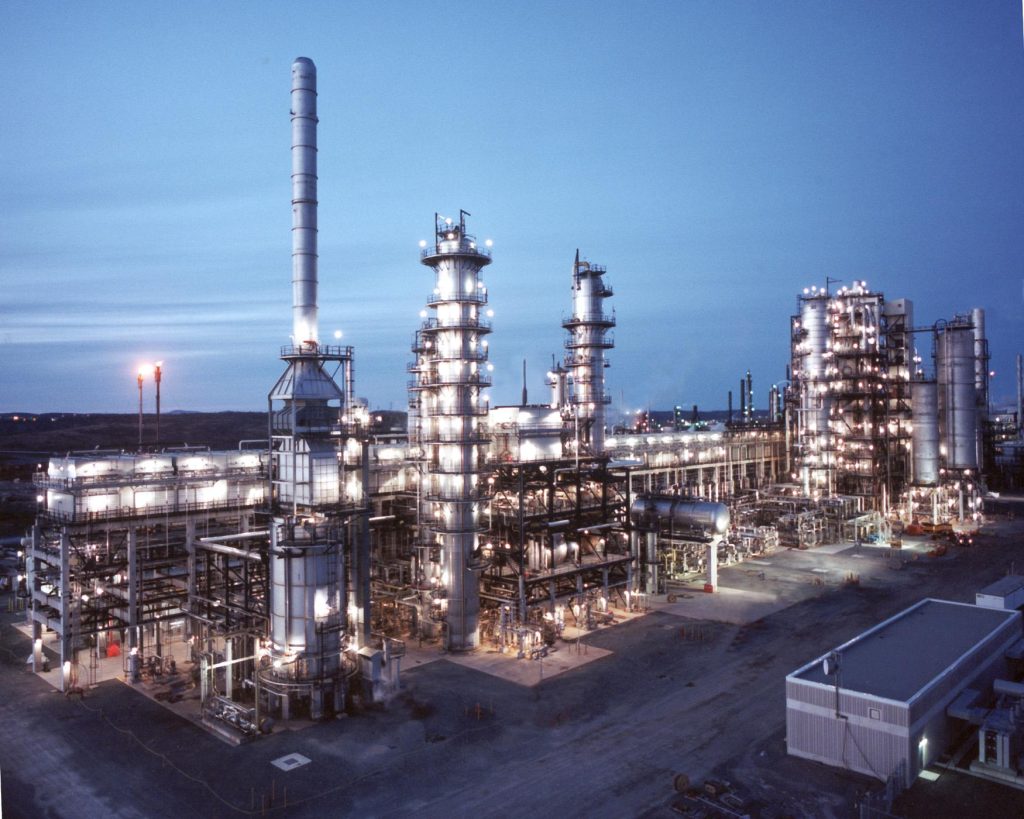
The petroleum refining industry relies heavily on industrial measuring instruments to ensure efficient operation, safety, quality control, and regulatory compliance. These instruments help monitor and control various parameters, such as temperature, pressure, flow rates, and chemical composition, throughout different refining processes like distillation, cracking, and blending.
Here’s an overview of key industrial measuring instruments used in petroleum refining:
1. Pressure Gauges and Transmitters
- Function: Monitor and control pressure in pipelines, vessels, reactors, and equipment.
- Applications: Pressure monitoring is critical in refining processes such as distillation, catalytic cracking, and hydroprocessing, where maintaining precise pressure levels ensures efficiency and safety.
- Types:
- Bourdon Tube Gauges: Common for general pressure monitoring.
- Digital Pressure Transmitters: Provide precise pressure data and are often integrated with control systems for real-time adjustments.
2. Temperature Sensors
- Function: Measure and control temperatures in reactors, distillation columns, heat exchangers, and furnaces.
- Applications: Temperature control is vital in catalytic cracking, distillation, and hydrotreating processes, ensuring optimal reaction rates and energy efficiency.
- Types:
- Thermocouples: Used in high-temperature processes like refining furnaces and reactors.
- RTDs (Resistance Temperature Detectors): Offer accurate temperature measurement for critical process control.
- Infrared Thermometers: Provide non-contact temperature measurement for equipment and pipelines.
3. Flow Meters
- Function: Measure the flow rate of crude oil, intermediate products, steam, and process gases.
- Applications: Flow meters are used extensively in crude oil input, distillation, product blending, and in controlling the flow of fuel gases and hydrogen in various processes.
- Types:
- Coriolis Flow Meters: Provide mass flow measurement, crucial for precise control of liquids in crude oil processing.
- Turbine Flow Meters: Common in measuring hydrocarbon flow rates in pipelines.
- Ultrasonic Flow Meters: Non-invasive, ideal for monitoring large pipelines.
4. Level Sensors
- Function: Monitor the level of liquids, slurries, and gases in tanks and vessels.
- Applications: Used in storage tanks, reactors, distillation columns, and separators to ensure accurate level monitoring of crude oil, fuel, and chemicals.
- Types:
- Radar Level Sensors: Provide accurate, non-contact level measurement for tall storage tanks and reactors.
- Capacitance Level Sensors: Suitable for detecting levels in various petroleum products and slurries.
- Float-type Level Sensors: Common for monitoring levels in storage tanks.
5. pH and Conductivity Meters
- Function: Measure the pH and conductivity of aqueous solutions, especially in water treatment and desalting units.
- Applications: Used to monitor the quality of water used in refining processes and to ensure proper functioning of desalter units (which remove salts from crude oil).
- Types:
- Inline pH Meters: Provide continuous monitoring of water quality in desalter units.
- Conductivity Sensors: Measure salt and ionic contamination in water and process fluids.
6. Gas Analyzers
- Function: Measure the concentration of gases in process streams and emissions.
- Applications: Used in monitoring gas streams like hydrogen, sulfur compounds, oxygen, and carbon dioxide in refining processes such as catalytic reforming and hydrotreating. Also, important for emission control and environmental compliance.
- Types:
- Mass Spectrometers: Analyze the composition of process gases for quality control.
- Infrared Gas Analyzers: Detect hydrocarbons, CO₂, and other gas concentrations in emissions.
- Sulfur Analyzers: Used for sulfur recovery units (SRUs) and to measure H₂S levels.
7. Turbidity Meters
- Function: Measure the cloudiness or particulate content in fluids.
- Applications: Used to monitor water quality in desalting and cooling systems. Ensures that water used in boilers and heat exchangers is free of particulate matter.
- Types:
- Laser-based Turbidity Meters: Provide precise measurement of suspended particles in water systems.
8. Moisture Analyzers
- Function: Measure moisture content in gases and liquids.
- Applications: Monitoring moisture in natural gas streams, process air, and refining gases is critical to prevent corrosion and ensure the efficiency of refining processes like catalytic cracking and reforming.
- Types:
- Dew Point Meters: Measure moisture in gases to ensure proper operation of gas processing units.
- Halogen Moisture Analyzers: Used for sample-based moisture analysis of liquids.
9. Viscometers
- Function: Measure the viscosity of liquids such as crude oil, refined fuels, and lubricants.
- Applications: Viscosity is a critical parameter in pipeline transport, blending of fuels, and quality control of final products like diesel and lubricants.
- Types:
- Rotational Viscometers: Used for monitoring the viscosity of heavy crude and refined products.
- Capillary Viscometers: Common in lab analysis for fuel oil and lubricant viscosity measurements.
10. Density Meters
- Function: Measure the density of liquids and gases, essential for controlling product quality and process efficiency.
- Applications: Used to monitor the density of crude oil, intermediate streams, and refined products like gasoline, diesel, and jet fuel.
- Types:
- Vibrating Tube Density Meters: Provide highly accurate density measurements for liquid and gas streams in refining processes.
- Hydrometers: Simple tools for manual density measurement, often used in quality control labs.
11. Spectrometers (e.g., FTIR, NIR)
- Function: Analyze the chemical composition of petroleum products.
- Applications: Used in process monitoring and quality control of crude oil, refined fuels, and other petrochemicals to ensure that products meet specifications.
- Types:
- Fourier-Transform Infrared (FTIR) Spectrometers: Analyze chemical bonds and molecular composition.
- Near-Infrared (NIR) Spectrometers: Used for real-time analysis in production lines, especially in blending and quality control.
12. Sulfur Analyzers
- Function: Measure the sulfur content in petroleum products and process streams.
- Applications: Sulfur measurement is critical in refineries to control sulfur levels in fuels (to meet environmental regulations) and monitor process streams in sulfur recovery units.
- Types:
- X-Ray Fluorescence (XRF) Sulfur Analyzers: Commonly used in refineries to analyze sulfur in crude oil and fuels.
- UV Fluorescence Sulfur Analyzers: Provide highly accurate sulfur content measurement in gas and liquid hydrocarbons.
13. Chromatographs (GC)
- Function: Separate and analyze the chemical components of a gas or liquid mixture.
- Applications: Gas chromatographs are widely used to analyze hydrocarbon streams in refineries, such as naphtha, kerosene, and diesel, ensuring that product composition meets specifications.
- Types:
- Gas Chromatographs (GC): Used for detailed chemical analysis in process streams and product quality control.
Conclusion
The petroleum refining industry depends on precise measurement and control of various physical and chemical parameters. Instruments such as pressure gauges, temperature sensors, flow meters, and gas analyzers ensure that refining processes are efficient, safe, and compliant with environmental regulations. These instruments play a crucial role in optimizing processes, improving product quality, and minimizing operational risks.