Temperature Measuring Instrument
Textile & Fertilizer
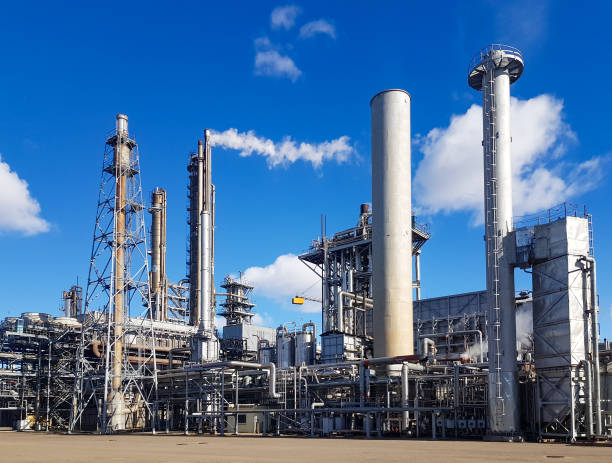
Industrial Measuring Instruments in Textile and Fertilizer Mills
Industrial measuring instruments play a crucial role in maintaining product quality, ensuring safety, and optimizing processes in both textile and fertilizer industries. Below is an overview of key instruments used in each industry, along with their applications.
1. Textile Mills:
Textile mills require precise control over various parameters such as moisture, temperature, tension, and thickness during processes like spinning, weaving, dyeing, and finishing. Key measuring instruments used include:
a) Moisture Meters
- Function: Measures the moisture content in fibers, yarns, and fabrics during different stages of production.
- Use: Ensures fibers are at optimal moisture levels for spinning, weaving, or dyeing to prevent breakage or uneven coloration.
b) Tension Meters
- Function: Measures the tension in yarns or fabrics as they move through machinery like looms or rollers.
- Use: Maintains proper tension to avoid breakage or deformation of fibers, ensuring smooth operation and product quality.
c) Thickness Gauges
- Function: Measures the thickness of fabrics or textiles.
- Use: Ensures uniformity in fabric thickness, which is critical for achieving the desired texture, strength, and appearance of the final product.
d) Temperature Sensors
- Function: Monitors temperature in dyeing machines, drying ovens, and other heat-related processes.
- Use: Helps control dyeing consistency, prevents fabric damage, and optimizes energy consumption.
e) Colorimeters
- Function: Measures the color of fabrics to ensure consistency in dyeing processes.
- Use: Helps in maintaining the same color shades across different batches of production, ensuring customer satisfaction.
f) Airflow Meters
- Function: Measures airflow in ventilation systems used for drying, cooling, or controlling environmental conditions in textile production.
- Use: Ensures proper ventilation during processes like drying, which helps control humidity and temperature for better product quality.
g) pH Meters
- Function: Measures the acidity or alkalinity of water and chemicals used in dyeing, bleaching, and finishing.
- Use: Ensures optimal pH levels for fabric treatment, preventing fabric damage and improving dye adhesion.
h) Speed Sensors
- Function: Monitors the speed of machinery such as looms, spindles, and rollers.
- Use: Controls the speed of different machines to avoid overstressing fibers, which could result in defects or machine damage.
2. Fertilizer Mills:
Fertilizer production involves handling raw materials, chemicals, and various compounds where precise control of parameters like flow rate, pressure, and composition is critical. Key measuring instruments used in fertilizer mills include:
a) Weigh Feeders
- Function: Weighs and controls the amount of raw materials such as phosphates, nitrogen, and potassium entering the production process.
- Use: Ensures the correct proportions of raw materials are used to maintain the desired chemical composition in fertilizers.
b) Flow Meters
- Function: Measures the flow rate of liquids, gases, and slurries in the production process.
- Use: Optimizes the use of resources like water, chemicals, or gas in the manufacturing process, reducing waste and improving efficiency.
c) Pressure Transmitters
- Function: Measures pressure in reactors, boilers, and piping systems.
- Use: Ensures safety and optimal operation of equipment handling pressurized gases or liquids, especially in processes like ammonia production.
d) Gas Analyzers
- Function: Monitors the composition of gases such as nitrogen, oxygen, and carbon dioxide in the production process.
- Use: Ensures efficient combustion in boilers or chemical reactions in fertilizer production, such as the Haber-Bosch process for ammonia synthesis.
e) Temperature Sensors
- Function: Monitors temperature in various stages of production, especially in reactors, dryers, and storage tanks.
- Use: Controls the temperature of chemical reactions and drying processes to ensure product quality and energy efficiency.
f) pH Meters
- Function: Measures the pH level of slurries, chemicals, and finished fertilizers.
- Use: Ensures optimal acidity or alkalinity in fertilizer production, improving product stability and nutrient content.
g) Level Sensors
- Function: Monitors the levels of raw materials, liquids, and finished products in tanks, silos, and reactors.
- Use: Prevents overflow, underflow, or dry running of machinery, ensuring smooth operation and minimizing waste.
h) Vibration Sensors
- Function: Monitors vibrations in rotating equipment such as mixers, crushers, and conveyors.
- Use: Detects mechanical imbalances or faults in machinery early, helping to prevent breakdowns and reduce downtime.
i) Conductivity Meters
- Function: Measures the electrical conductivity of solutions used in the production process.
- Use: Ensures correct concentration of nutrients and chemicals, contributing to the quality of the final fertilizer product.
Conclusion:
In both textile and fertilizer mills, the use of industrial measuring instruments is essential for controlling critical parameters that influence the quality and efficiency of production. These instruments help manufacturers maintain product standards, reduce waste, optimize energy use, and ensure operational safety. By investing in reliable measurement systems, both industries can achieve higher levels of productivity and competitiveness.